
Fairies make up a big ol’ part of world folklore, but their belief is particularly prevalent in Celtic mythology. Let’s explore three creepy, scary fairies said to haunt UK folklore.
The Banshee
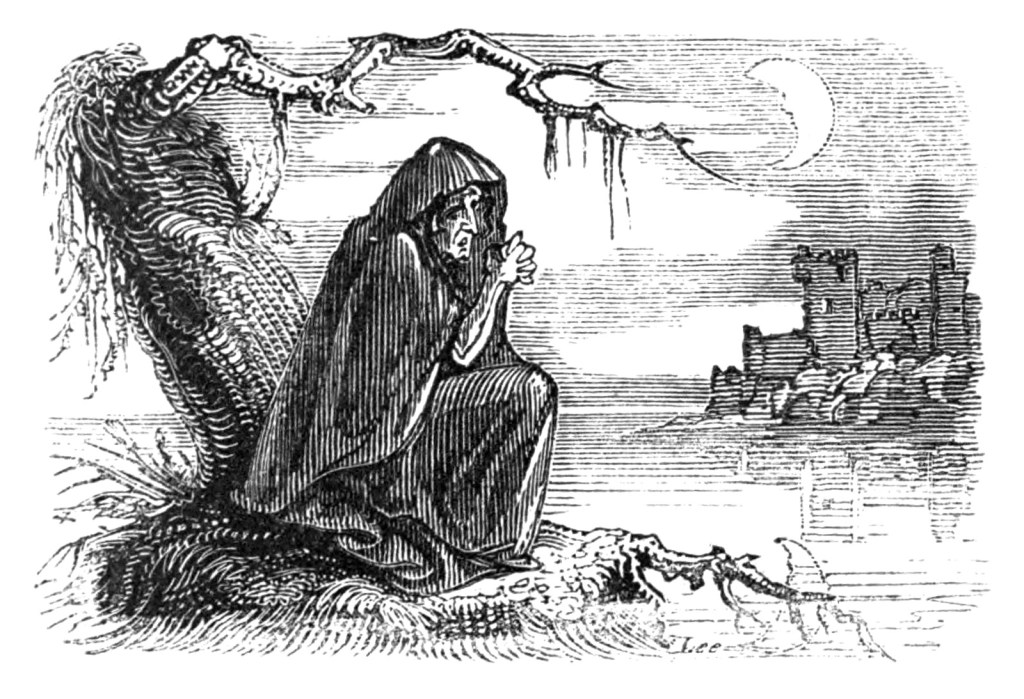
Ah yes, the famous Banshee. Perhaps one of the most widely known fae folk, the banshee – roughly translated from Old Irish as “woman of the fairy mound” – is a female spirit whose role is to herald the death of a family member.
The translation of her name highlights her link to the deceased, with “mounds” of stones and earth being built over graves all over the world.
Known for her piercing wails, the Banshee’s mournful cry is said to either announce or foretell the death of a person. Exactly who the Banshee wails for differs in legend. Some suggest that only families with ancient Irish blood, particularly those who’s surnames begin with O or Mc/Mac, although this is not an exclusive list.
Some legends disregard this notion entirely and suggest the Banshee also cries for those with a great passion for music, or people with a particularly holy reputation.
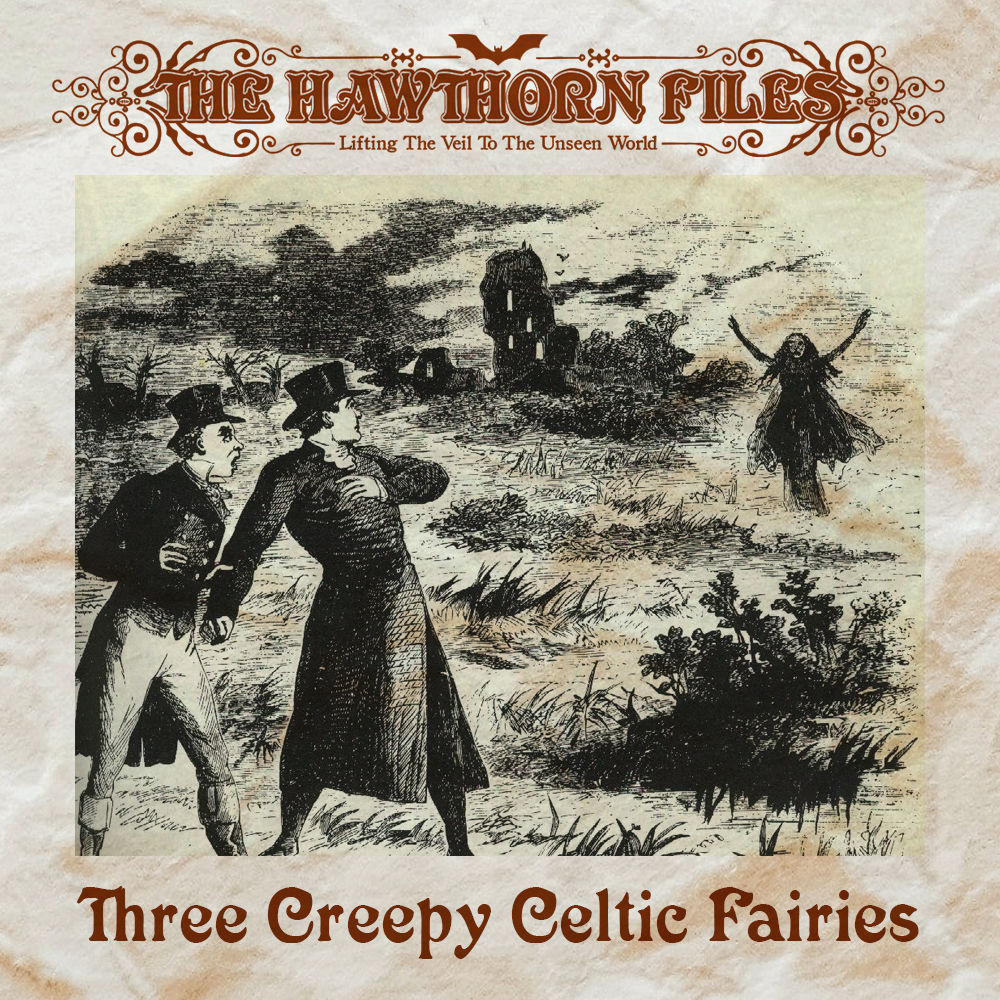
Although the wail of the Banshee is her most prevailing feature, there have been accounts that include her physical description. On the rare occasion that she is seen, a Banshee is described as a fair young woman with long red hair, dressed in either white or green with a grey cloak, with fiery red eyes. On other occasions, she is seen in the guise of an old hag, either particularly short or naturally tall.
Some instances describe her as washing the clothes or armour of the soon-to-be-deceased in a river. This is often the case in the Scottish Banshee – known as the bean nighe, with a similar Welsh folk-fairy called the cyhyraeth.
Despite her ghostly legends, the Banshee’s origins are likely linked to the traditional Irish and Scottish tradition of Keening – a crying lament preformed by woman during funerals. It wasn’t unheard of for professional Keening woman to be highly sort after, particularly for funerals of important local figures.
Bendith Y Mamau
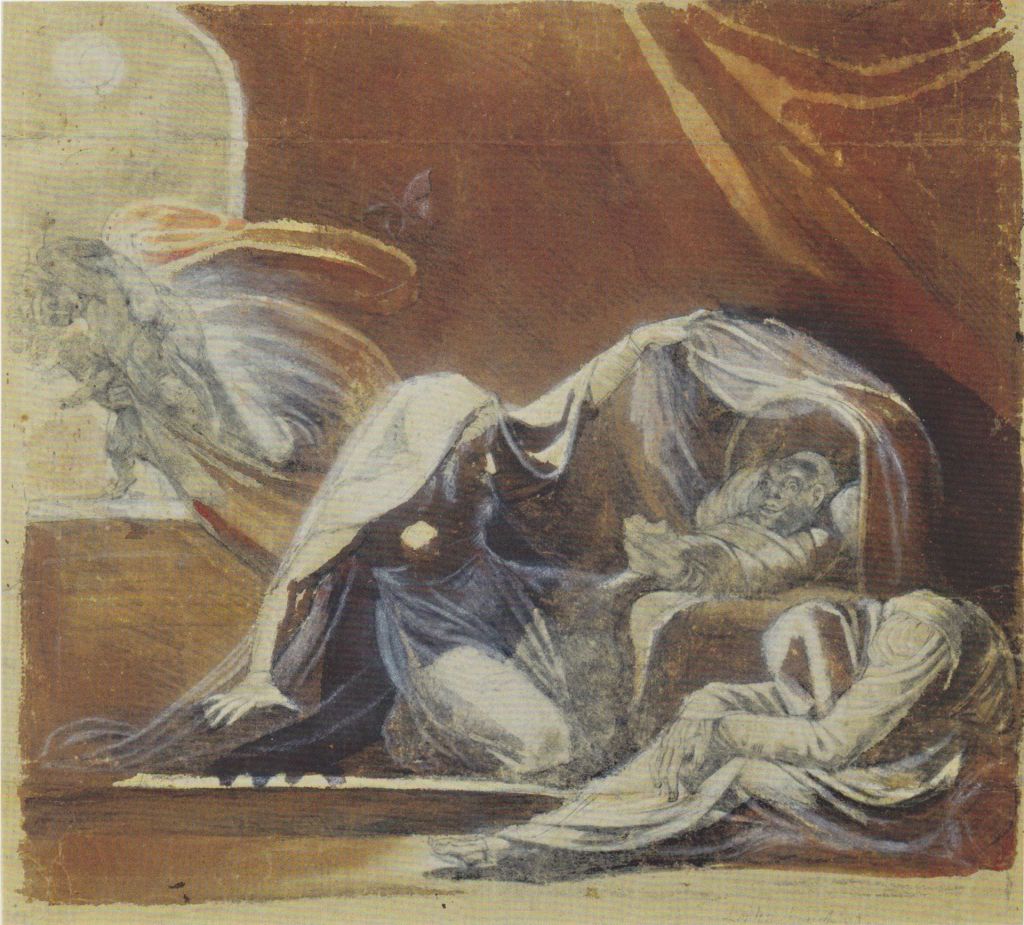
Bendith Y Mamau translates as “The Mother’s Blessing” and is a euphemism sometimes used in Southern Welsh folklore to refer to a particular type of fairy – or Tylwyth Teg, although some accounts uses these names interchangeably. Referring to them in this positive term was said to avoid their wrath.
Stories of the Bendith y Mamau in particular centre around the concept of Changelings. These fairies are said to swap mortal human infants and leave one of their own kind in its place. These changelings are delightfully known as “crimbils”.
Some legends tell of the original child being returned once the fae folk have taught them the art of music, however it was often believed that mothers could make their child return with the help of magic and ritual.
Like most stories involving changelings, the origin of this belief was likely a way to explain children born with various disabilities., development differences and neurodivergence.
Redcap
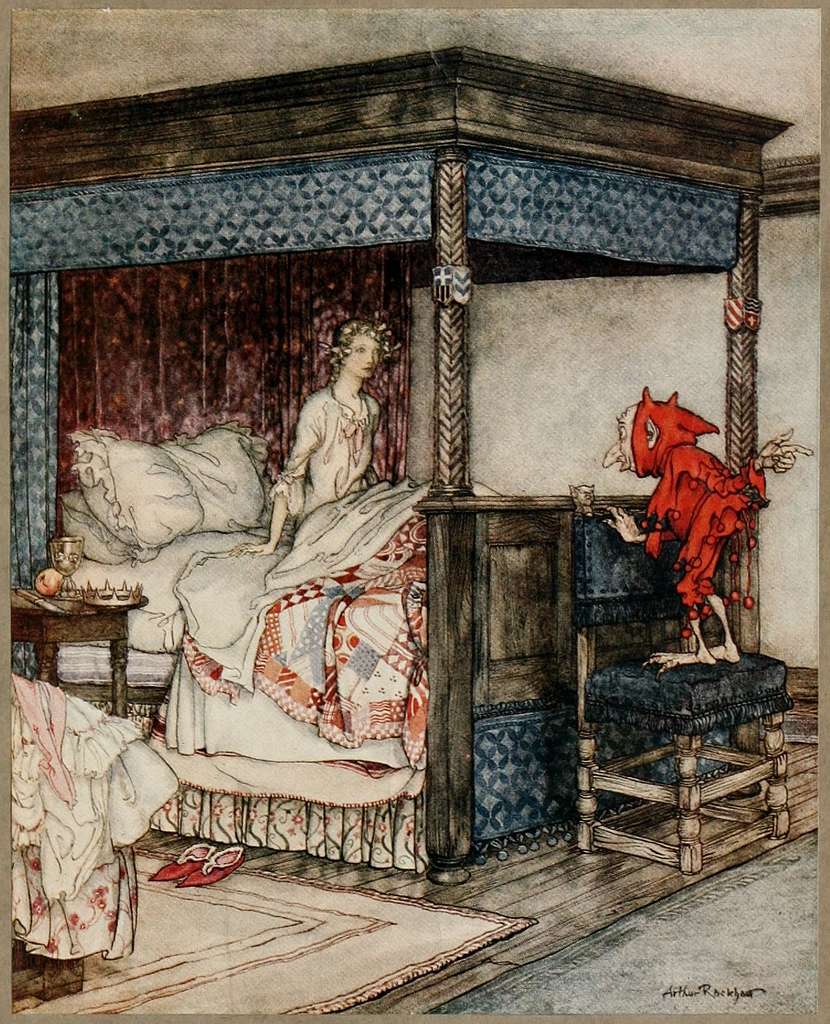
These horrible little creatures are thought to have their home in the Anglo-Scottish borders and are particularly known for their general malevolence.
They are described as being short and elderly in appearance, with sharp teeth and nails, usually wearing their signature red cap. They are said to kill and injure those they come across, mopping up the blood with their hat – accounting for its colour. They are thought to be incredibly strong, but can be driven away with Christian scripture (I wonder where that idea came from?).
Redcaps are thought to haunt castles, particularly ones with a most gruesome history, although one tale from Grantully Castle suggests its Redcap is a kindly fellow, giving good fortune on those who visit him.
Other, more murderous Redcaps are said to have been familiars for wicked people. One in particular was known as Robin Redcap and was said to be bound to Scottish nobleman William de Soulis, generally wrecking havoc upon their home, Hermitage Castle.
There are thought to be other, friendlier fairies known as Red Caps elsewhere in the UK, also known for wearing red hats, but it’s perhaps best to give them a wide berth, just in case.
Don’t forget to subscribe and follow our social channels below!

 The Hawthorn Files