
You all seemed to enjoy my article on Weird Welsh Folk Creatures, so why not join me as we explore three of England’s weirdest local lore.
Herne The Hunter
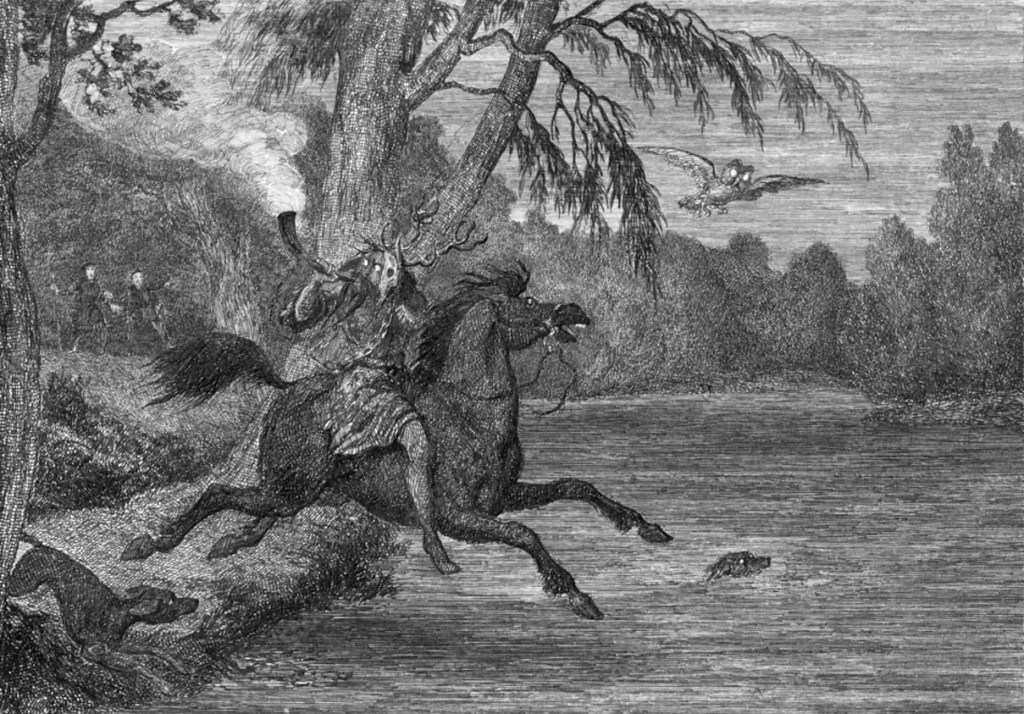
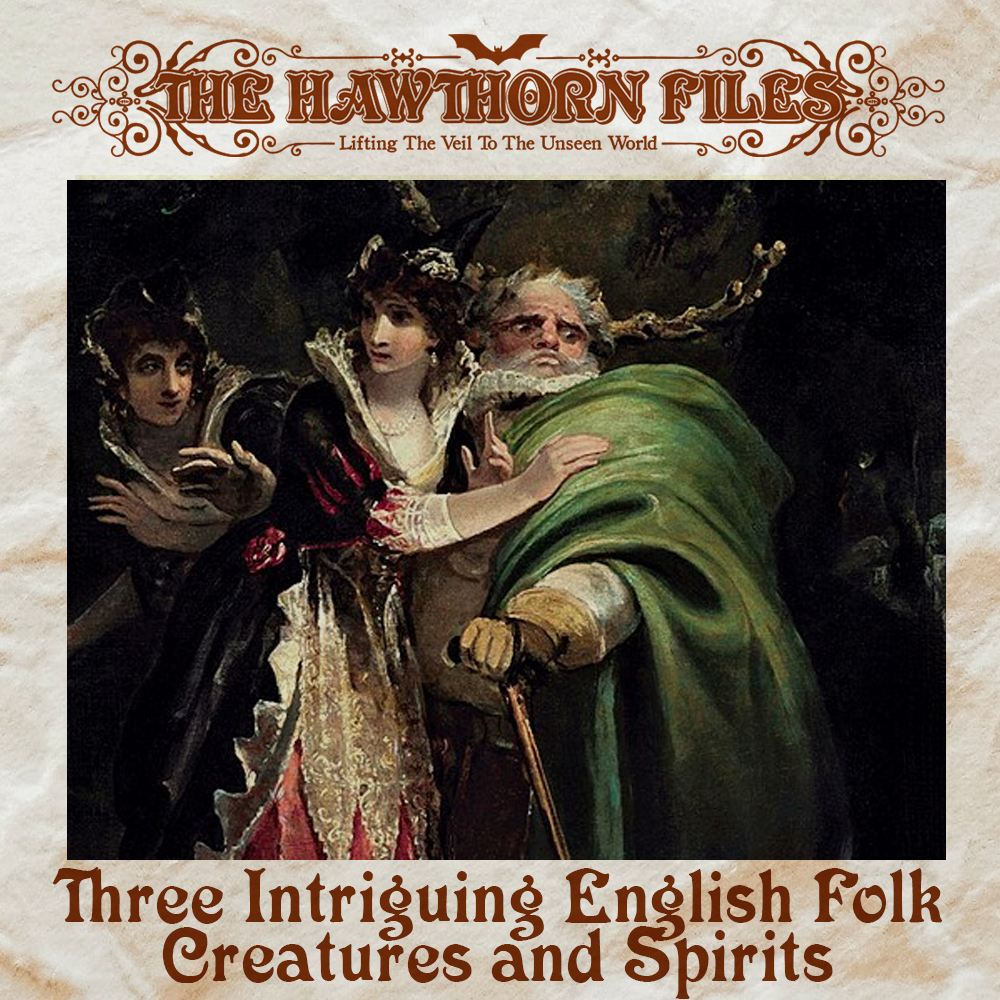
First committed to paper in the late 1590s by Shakespeare, Herne The Hunter is said to be the ghostly guardian of Windsor Forest and Great Park.
In his appearance in The Merry Wives of Windsor, he is thought of as the spirit of a forest keeper, haunting an old oak tree throughout the winter, as quoted:
There is an old tale goes, that Herne the Hunter
(sometime a keeper here in Windsor Forest)
Doth all the winter-time, at still midnight
Walk round about an oak, with great ragg’d horns;
And there he blasts the tree, and takes the cattle,
And makes milch-kine yield blood, and shakes a chain
In a most hideous and dreadful manner.
You have heard of such a spirit, and well you know
The superstitious idle-headed eld
Receiv’d, and did deliver to our age
This tale of Herne the Hunter for a truth.
— William Shakespeare, The Merry Wives of Windsor, Act 4, scene 4
Later, the character was described as having committed some “great offence”, such as poaching, and taking his life after falling into disgrace.
Other’s say he is the spirit of Richard Herne (or Horne) said to be the master of the Windsor hunt and a favourite companion of the King after saving him from death by goring – although which king this was is up for debate.
Regardless, as Richard’s influence grew, jealous courtiers falsely accused him of some sort of treachery, causing him to hang himself from an oak tree in the forest.
This tale, or some variant of it, usually culminates with the spirit of Herne rising to either protect the forest, or bring harm upon those who betrayed him.
Far from being a figment of 16th century imagination, this haunting hunter has long been intertwined with English and European folklore, with threads tying the character all the way back to ancient paganism.
Many suggest that Herne is a linked to the Old God, Cernunnos, a European Celtic deity often associated with the Greek God Pan, and later thought to inspire aspects of the Christian Devil.
The figure is also thought to have been inspired by the legend of The Wild Hunt, who’s leader varies between localisations. In fact, in some versions of the legend, Herne takes his revenge on his adversaries and forces their spirits to join him in his own wild hunt.
Whatever the origins, the character of Herne The Hunter has seeped into British folklore, popular culture and neo-paganism.
Boggart
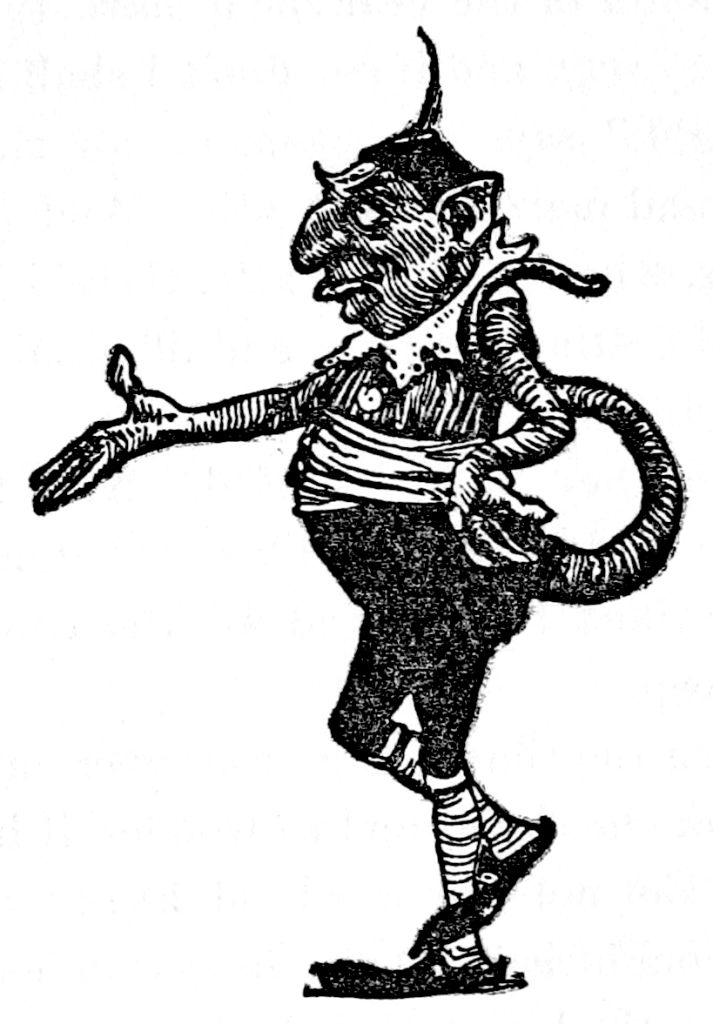
Although any malevolent ghost or spirit may be referred to as a Boggart, today we’re focusing on the fairy-like creatures who often haunt a specific location or family.
These pesky spirits are England’s version of a house spirit – like the Scottish Brownie or Slavic Kikimora. Their appearance varies from humanoid to animal-like, but they are often described as ugly and troublesome.
Their usual business is mischief, from stripping bedsheets and slamming doors to frightening horses and screaming. Some also attribute poltergeist like behaviour to these little miscreants.
Unfortunately Boggarts are said to be difficult to get rid of, but traditional charms such as hanging a horseshoe over doorways discourages them from settling. If you are being troubled by a Boggart, legend says you should never give it a name, as this will give it more power.
Sooterkin
These bizarre little creatures have been somewhat lost to time, but they’re strange enough to have a little spotlight.
This 18th century belief states that a sooterkin is a mouse-sized creature that some woman were said to have birthed.
According to this strange legend, if women were to sit on foot-stoves or stand with their petticoats over them, this could encourage the conception and later, birth, of weird little creatures that were likely evil.
Although this legend is Dutch in name and origin, it was a firm belief of English doctor John Maubray, as it supported his theory of “maternal impression” – a common belief at the time that theorised a baby would be influenced by the mother’s dreams, sights and shocks experienced during pregnancy.
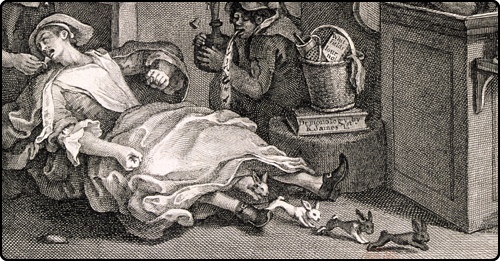
In fact, Maubray was involved in the case of Mary Toft, who appeared to be birthing rabbits, until it was revealed to be a hoax. It’s said that the legend of Sooterkins were the inspiration for the whole Mary Toft affaire.
Don’t forget to subscribe and follow our social channels below!

 The Hawthorn Files